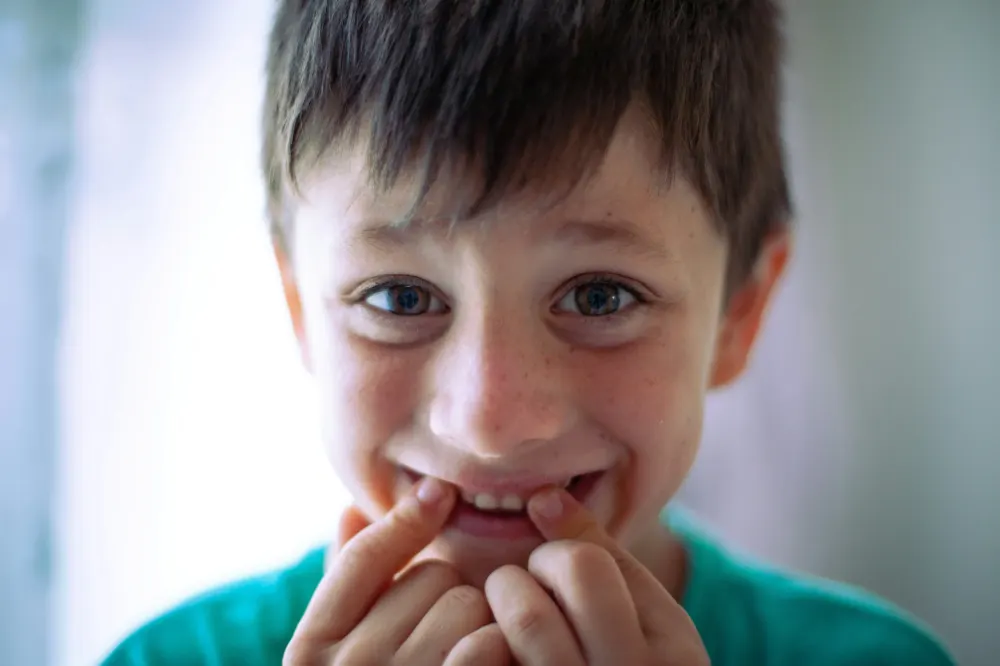
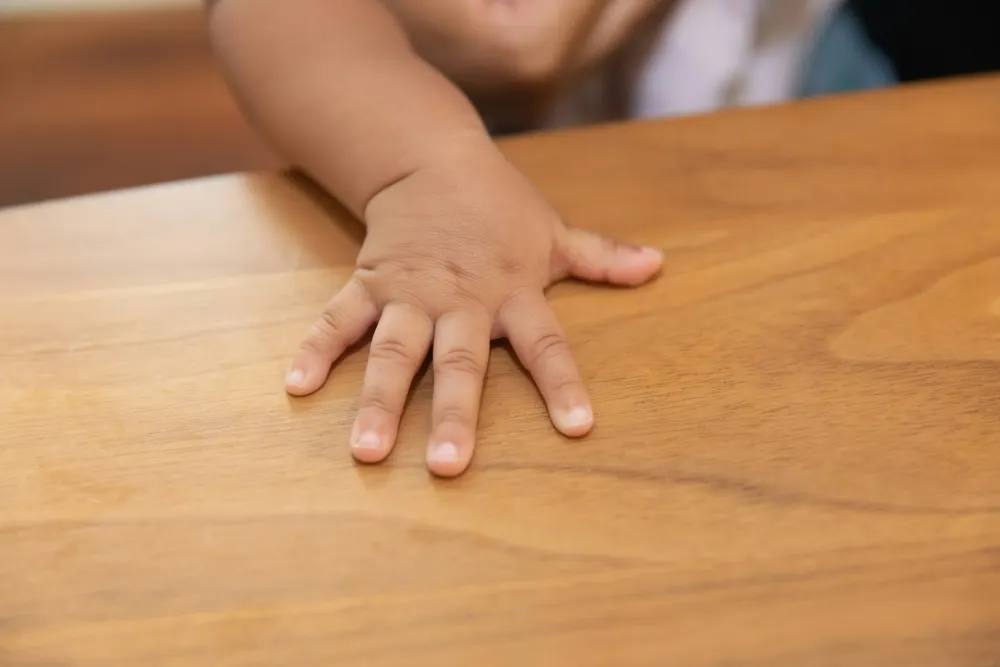
Nail biting is a common habit among children and adults, often triggered by anxiety, boredom or nervousness. Although it may seem harmless, nail biting can have a number of negative health consequences. This article offers strategies to help stop nail biting and explains why it is important to give up the habit.
Why Should You Not Bite Your Nails?
Nail biting is harmful for several reasons:
- Infections: Saliva can cause inflammation of the skin around the nails, increasing the risk of infection.
- Tooth Wear: Nail biting can wear down the teeth, resulting in dental problems.
- Temporomandibular Dysfunction: The repetitive movement of nail biting can cause or worsen temporomandibular dysfunction (TMD), which affects the jaw joint.
- Digestive Problems: Small fragments of nail that are swallowed can cause problems in the digestive system.
What Can Nail Biting Cause?
In addition to the problems mentioned above, nail biting can also result in:
- Damage to Nails and Cuticles: It can cause pain, bleeding and even permanent deformity of the nails.
- Hygiene Problems: Nails can harbour bacteria and germs, increasing the risk of illness.
- Social and Psychological Impact: It can affect self-esteem and cause embarrassment in social situations.
How to Stop Biting Your Nails?
Understand the Reason
Before taking any action, it is important to understand why the child (or adult) bites their nails. Ask about the circumstances in which the habit occurs and identify patterns. This step is crucial to addressing the root of the problem.
Strategies and Techniques
- Distraction: Keep the hands busy with activities such as stress balls, games, puzzles or drawing. For the mouth, singing, telling stories or chewing sugar-free gum can help.
- Keep Nails Short: Short, well-kept nails are less tempting to bite.
- Use of Nail Varnish: Applying an anti-nail-biting varnish can be effective. There are bitter-tasting options that discourage the habit. Make sure the child is willing to stop biting and to try this method before using it.
- Protecting the Nails: Using coloured plasters or non-toxic nail polish can protect the nails and make them harder to bite.
- Rewards and Incentives: Reward progress with small prizes or praise to motivate giving up the habit.
Professional Intervention
If the habit persists and has a significant social or emotional impact, it may be necessary to seek help from a health professional. Support through Orofacial Motricity Therapy, paediatric dentistry and Psychology may be recommended.
Why Do Children Bite Their Nails?
Children may bite their nails for a number of reasons, including:
- Anxiety and Stress: Stressful situations at school or at home can trigger the habit.
- Boredom: A lack of stimulating activity can lead to the nail-biting tic.
- Imitation: Children may copy the behaviour of parents or friends.
What to Do to Stop Biting Your Nails?
- Identify and Reduce Stress: Create a calm environment and offer emotional support.
- Encourage Alternative Activities: Encourage hobbies and activities that keep the hands and mind busy.
- Talk and Understand: Talking to the child about the reasons behind the habit can be illuminating, and an important step towards change.
Conclusion
Nail biting may seem like a harmless habit, but it can cause a range of health problems and social impact. Understanding the causes and adopting effective strategies are essential steps in helping to stop nail biting. If necessary, do not hesitate to seek professional help to deal with the problem properly.