
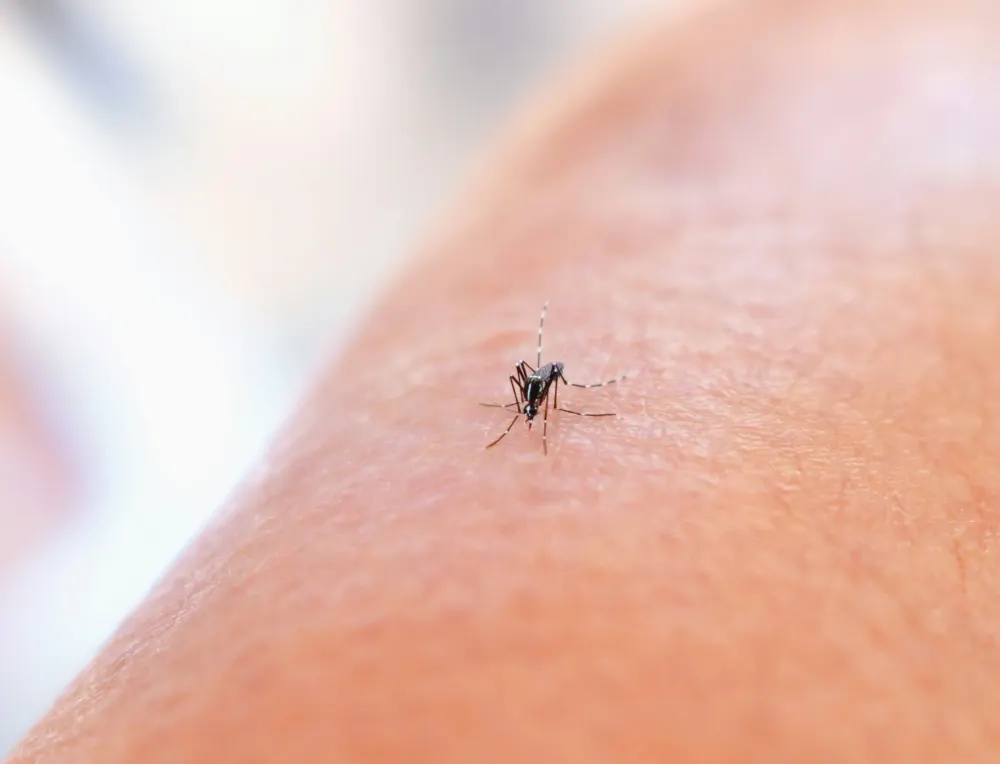
Insect Bites: What to Do?
Insect bites are a common experience, especially during the warmer months of the year. Depending on the type of insect and individual sensitivity, reactions can range from mild irritation to more serious allergic responses. In this article we discuss what to do when you are bitten by an insect, including specific care for situations such as pregnancy, along with prevention tips.
Main Types of Insect Bites
Insects That Sting and Bite
Many insects can sting or bite, causing different types of reaction. Among the most common are mosquitoes, flies, bees, wasps, fleas, lice and ants. Ticks and spiders are often included as well, although they are not technically insects.
Common Reactions
Stings and bites can cause:
- Local irritation
- Redness
- Swelling
- Itching
- Pain
- An increase in temperature in the affected area
What to Do After Being Bitten by an Insect
General Steps
To treat insect bites that swell, insect bites that blister, or insect bites that hurt, follow these guidelines:
- Remove the Sting or Tick: Use clean tweezers to carefully remove any sting or tick attached to the skin.
- Clean the Area: Wash the area with cold water and soap. Keeping the area clean helps prevent infection.
- Raise the Affected Area: Keep the affected part raised to reduce the swelling.
- Apply Cold: Use ice wrapped in a clean cloth, or a cold compress, to reduce the swelling and pain. Apply for 15–20 minutes several times a day.
- Use Soothing Creams: Apply an over-the-counter antihistamine cream or calamine lotion to relieve the itching.
- Take Painkillers: If necessary, take paracetamol or ibuprofen at the appropriate dose, provided there are no contraindications.
Special Situations
Insect Bites in Pregnancy
During pregnancy, extra care is important:
- Avoid Risks: Use repellents suitable for pregnancy and take steps to avoid bites.
- Safe Treatments: Consult a doctor before using any medication or cream.
Insect Bites That Cause Blisters
Some bites can cause blisters. In such cases:
- Do not burst the blisters: Keep the blisters intact to avoid infection.
- Cover with a dressing: Protect the area with a dressing to avoid friction.
When to Seek Medical Care
Although most insect bites are harmless, urgent medical attention should be sought if:
- There is a significant number of bites in someone with a history of allergies.
- There is difficulty breathing, or noisy breathing.
- There is significant swelling, especially of the eyelids, ears, mouth, hands or feet.
- There is fever, nausea or vomiting.
- There is dizziness or fainting.
- The area of the reaction grows, or the symptoms do not clear up within a few days.
- The sting, or an attached tick, cannot be removed.
Preventing Insect Bites
To avoid insect bites, take the following measures:
- Insect Repellents: Use repellents on yourself and at home, especially at dusk and dawn.
- Avoid Exposure: Avoid being outdoors during the hours when insects are most active.
- Screens and Windows: Use screens on windows, or close them at dusk and dawn.
- Food and Drink: Keep food and drink covered when outdoors.
- Hygiene and Rubbish: Empty the rubbish frequently and keep the bin well covered.
- Suitable Clothing: Wear clothes that cover the skin, such as long trousers and long sleeves.
- Care with Pets: Treat pets regularly for fleas and ticks.
Conclusion
Insect bites are an inevitable part of spending time outdoors, but with the right preventive measures and appropriate treatment it is possible to minimise the discomfort and complications. In the case of more serious reactions, seeking medical attention is crucial to ensuring safety and health.