
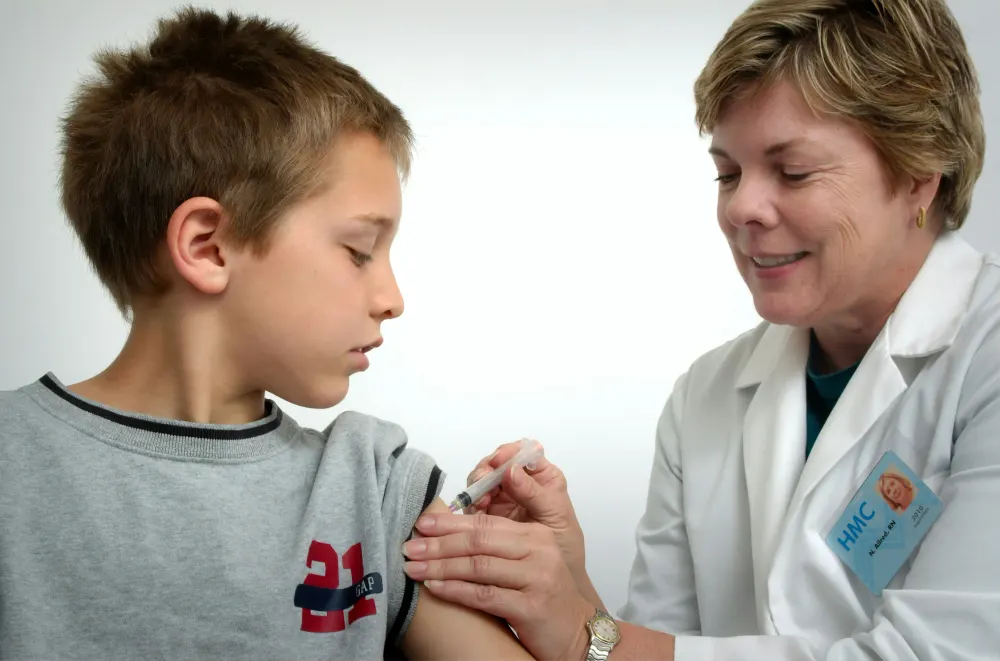
Children's health is a priority for every parent, and one of the best ways to make sure they grow up healthy and strong is through regular check-ups. But what exactly is a check-up? And when and where should a complete check-up for children be done? In this article we look at why children's check-ups matter, what they involve, and answer common questions about cost and frequency.
Check-Up: What Is It?
A check-up is a complete medical assessment intended to monitor a child's general health. It includes a series of examinations and tests carried out by different specialists to make sure every aspect of the child's health is in good order. These examinations help to diagnose illnesses or conditions early which, treated in time, can prevent more serious complications.
When Should a Child Have a Check-Up?
The First Years of Life
In the early years, routine appointments are frequent and essential:
- Newborns: right after birth and at 15 days.
- First year: monthly until six months, and then every two months until the first birthday.
- Second year: every three months.
- From 2 to 5 years: every six months.
- From 5 years onwards: annually, unless a doctor advises otherwise.
Adolescence
During adolescence it is important to continue with annual check-ups to monitor growth and development, as well as to address issues specific to this stage, such as hormonal and emotional changes.
Specialty Areas in a Child's Check-Up
Paediatrics
The paediatrician is primarily responsible for monitoring the child's general health. They carry out physical examinations, assess growth and development, and advise on vaccinations, nutrition and preventive care.
Physiotherapy
The integrative paediatric physiotherapy appointment assesses and treats possible motor problems, helping to correct posture, improve motor coordination and treat specific conditions such as scoliosis. The physiotherapist may recommend exercises and activities that support healthy physical development. A physiotherapy check-up should be done after birth, at 6 months and at 1 year of age.
Psychology
Ongoing psychological support is essential for monitoring children's emotional and behavioural development. Child psychology helps to identify and treat problems such as anxiety, depression, learning difficulties and other disorders that can affect children's mental health.
Paediatric Dentistry
Oral health is an important part of a child's check-up. The paediatric dentist looks after children's oral health, preventing and treating cavities, advising on oral hygiene and monitoring the development of the teeth. They also advise on oral health care and assess the anatomical and functional development of all the structures of the oral cavity, such as the tongue, palate, cheeks, gums and teeth. A paediatric dentistry check-up should be done after birth, at 1 year of age, annually until the age of 6, and every six months thereafter — with the paediatric dentist or in Oral Hygiene, depending on the child's development and the state of their oral health.
Nutrition
The nutritional assessment is crucial to ensure that children are getting the nutrients they need to grow up healthy. The nutritionist can help create a balanced eating plan suited to each child's specific needs.
ENT
The ENT specialist assesses and treats problems relating to the ears, nose and throat, which are common in children. Regular appointments with this specialist help to prevent and treat ear infections, hearing problems and other conditions that can affect speech development and quality of life.
Where to Have a Complete Check-Up?
To have a complete check-up, it is important to choose a clinic or hospital that offers a full range of paediatric services. Clinics specialising in paediatric care, such as Clínica Kids and Teens in Lisbon, are ideal, as they offer every service needed in one place.
How Much Does a Complete Check-Up Cost?
The cost of a complete check-up can vary considerably depending on the child's age and the specialties involved. The Kids and Teens team works collaboratively, and any of the specialists can advise which specialties are needed depending on the child's age and health.
Conclusion
Regular check-ups are crucial to making sure children grow up healthy and happy. Periodic examinations help to detect any health problem early, allowing for prompt and effective intervention. From paediatrics through to physiotherapy, psychology, paediatric dentistry, nutrition and ENT, every aspect of a child's health should be monitored closely. Be sure to schedule your children's check-ups regularly at a clinic you trust.
For more information, and to book a children's check-up, get in touch with Clínica Kids and Teens in Lisbon. Keeping children's health on track is the best way to give them a healthy and full future.